May 22, 2026
A well-built patio is more than an outdoor surface. It functions as a structural extension of the home, supporting everyday use, seasonal gatherings, and long-term property value. When constructed correctly, it withstands weather fluctuations, soil movement, and years of foot traffic without losing stability or appearance. When built poorly, even small issues can quickly escalate into costly repairs and safety hazards.
As residential construction continues to prioritize outdoor living spaces, patios have become a standard feature in many new builds. According to Eye On Housing, approximately one million new single-family homes were started in 2025, and 61.8% of those included patios. This widespread inclusion highlights how essential patios have become in modern home design, but it also underscores a critical point: durability depends heavily on how they are constructed.
That is where selecting the right masonry company becomes essential. The difference between a patio that lasts decades and one that deteriorates prematurely often comes down to workmanship, material selection, and structural expertise. Choosing a qualified masonry service early in the process helps ensure the structure is engineered to handle both environmental stress and everyday use.
Structural Integrity Starts With Proper Planning and Execution
Site Evaluation and Load Considerations
A long-lasting patio begins long before the first stone is set. Proper site evaluation determines how the patio will interact with soil conditions, drainage patterns, and surrounding landscape features. Without this step, even high-quality materials can fail prematurely due to shifting ground or water accumulation.
A skilled masonry company understands how to assess grading, compaction needs, and load distribution. These technical decisions ensure the patio remains stable under both static weight and dynamic use over time. In more complex landscapes, this evaluation also accounts for tree root systems and seasonal moisture changes that can subtly alter ground stability. It also helps determine whether reinforcement methods are needed to counteract long-term settling risks.
Sub-Base Preparation and Stability
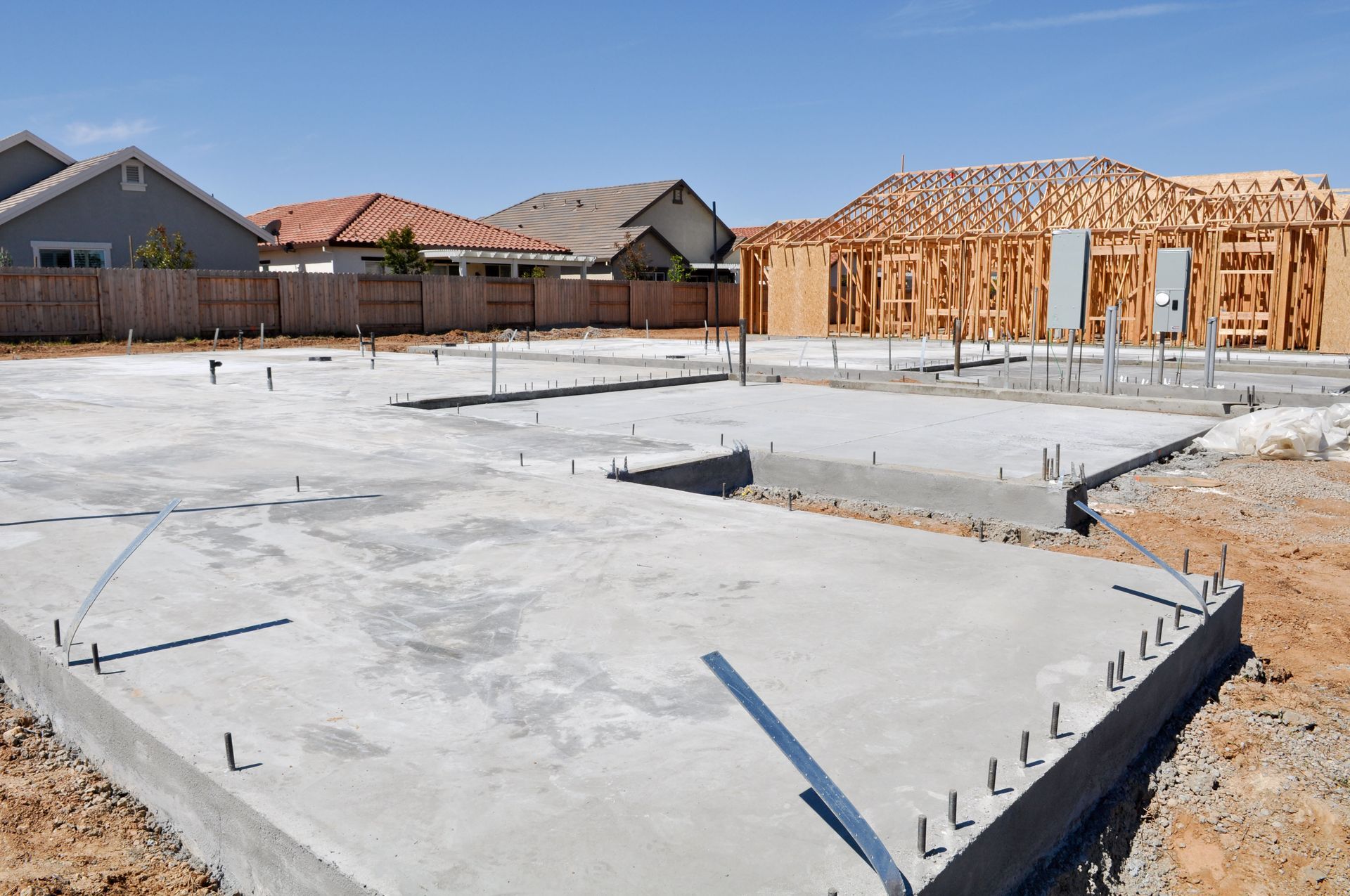
The foundation beneath the surface is the most important structural element of any patio. A properly compacted sub-base prevents settling, cracking, and uneven surfaces. Inferior installation often skips or shortcuts this step, which leads to long-term structural failure.
An experienced masonry company uses layered aggregate systems designed to promote drainage while maintaining rigidity. Each layer is compacted to specific density requirements, ensuring that the base behaves as a unified structural platform. This process is especially important in regions with freeze-thaw cycles, where expansion forces can destabilize poorly prepared foundations. In addition, proper moisture control within the base layer reduces internal erosion over time.
Edge Restraints and Long-Term Shape Retention
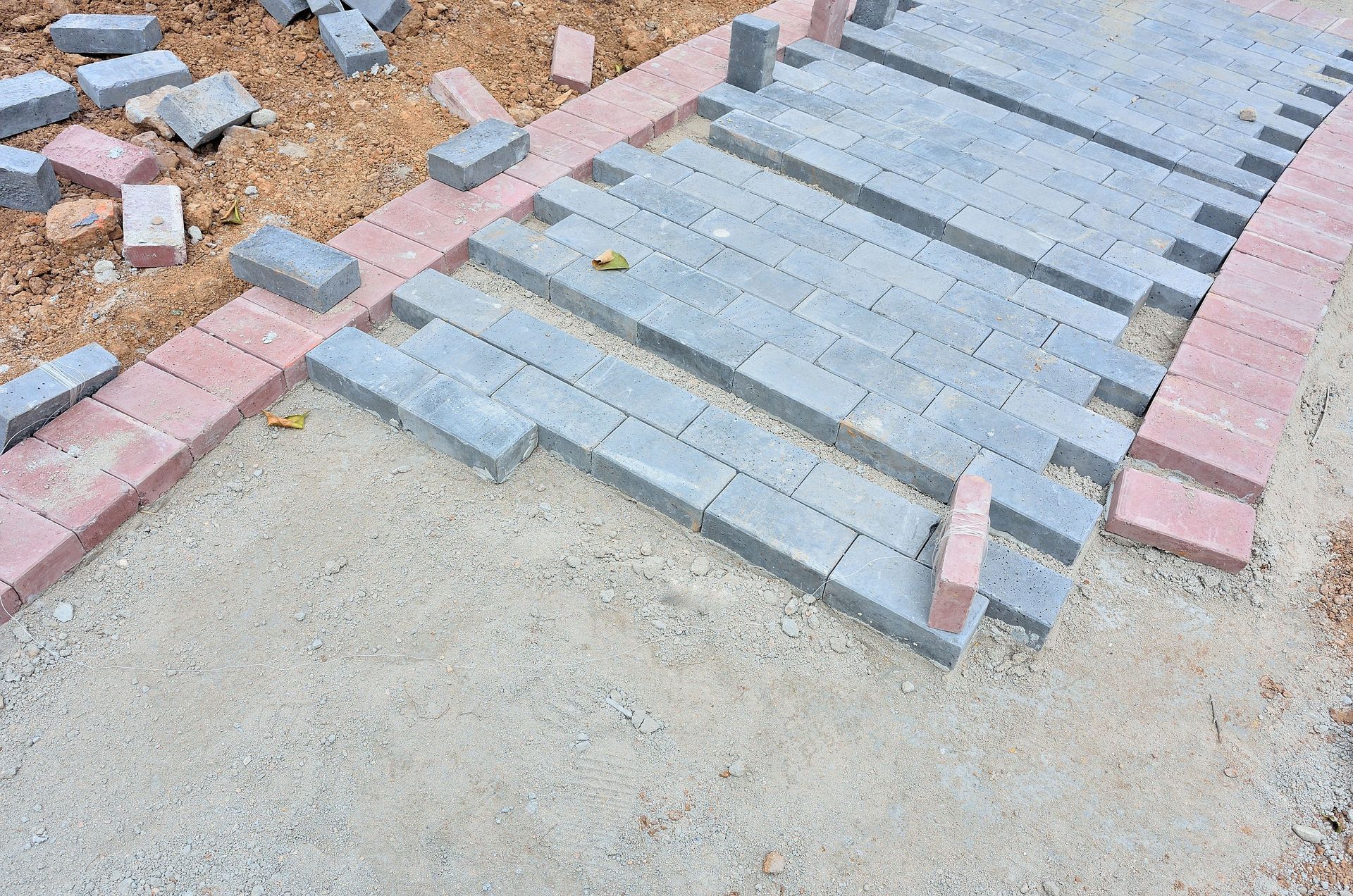
Edge restraint systems are often overlooked but play a major role in maintaining patio shape. Without proper restraints, pavers or stones can shift outward over time, creating gaps and uneven surfaces.
Careful installation ensures that edge restraints are anchored correctly and integrated into the overall structure. This level of detail helps preserve alignment and prevents costly future repairs, particularly in high-traffic outdoor spaces where lateral movement is more likely. Over years of use, even minor edge failure can trigger widespread shifting if not properly controlled from the beginning.
Material Selection Directly Impacts Lifespan and Performance
Natural Stone Versus Manufactured Materials
Material selection is not just an aesthetic decision. Natural stone offers unique durability characteristics, including resistance to weathering and long-term compression strength. Manufactured pavers, on the other hand, provide uniformity and design flexibility.
A knowledgeable masonry company evaluates both functional and visual requirements before recommending materials. The goal is to match performance expectations with environmental conditions and usage patterns, ensuring the patio maintains both structural integrity and visual appeal over time. Material compatibility with local climate conditions also plays a significant role in long-term success.
Drainage Compatibility and Moisture Resistance
Water is one of the most common causes of patio deterioration. Poor drainage can lead to erosion, shifting, and freeze-thaw damage. Materials must be selected not only for appearance but also for how they handle moisture over time.
Proper installation ensures that water flows away from the structure rather than accumulating beneath it. This reduces long-term stress on both the surface and the foundation, especially during heavy rainfall or snowmelt periods when saturation risks are highest. A properly designed drainage system also minimizes algae growth and surface staining that can affect usability.
Material Consistency and Installation Precision
Even high-quality materials can fail if they are not installed with precision. Variations in thickness, alignment, or spacing can compromise structural integrity.
A reputable masonry company accounts for these variables during installation. Consistent placement ensures uniform load distribution and reduces weak points that could lead to cracking or shifting. Over time, this accuracy also contributes to easier maintenance and more predictable performance. It also helps ensure repairs, when needed, can be completed without disrupting the entire structure.
Craftsmanship Determines Durability and Long-Term Value
Precision in Layout and Design Execution
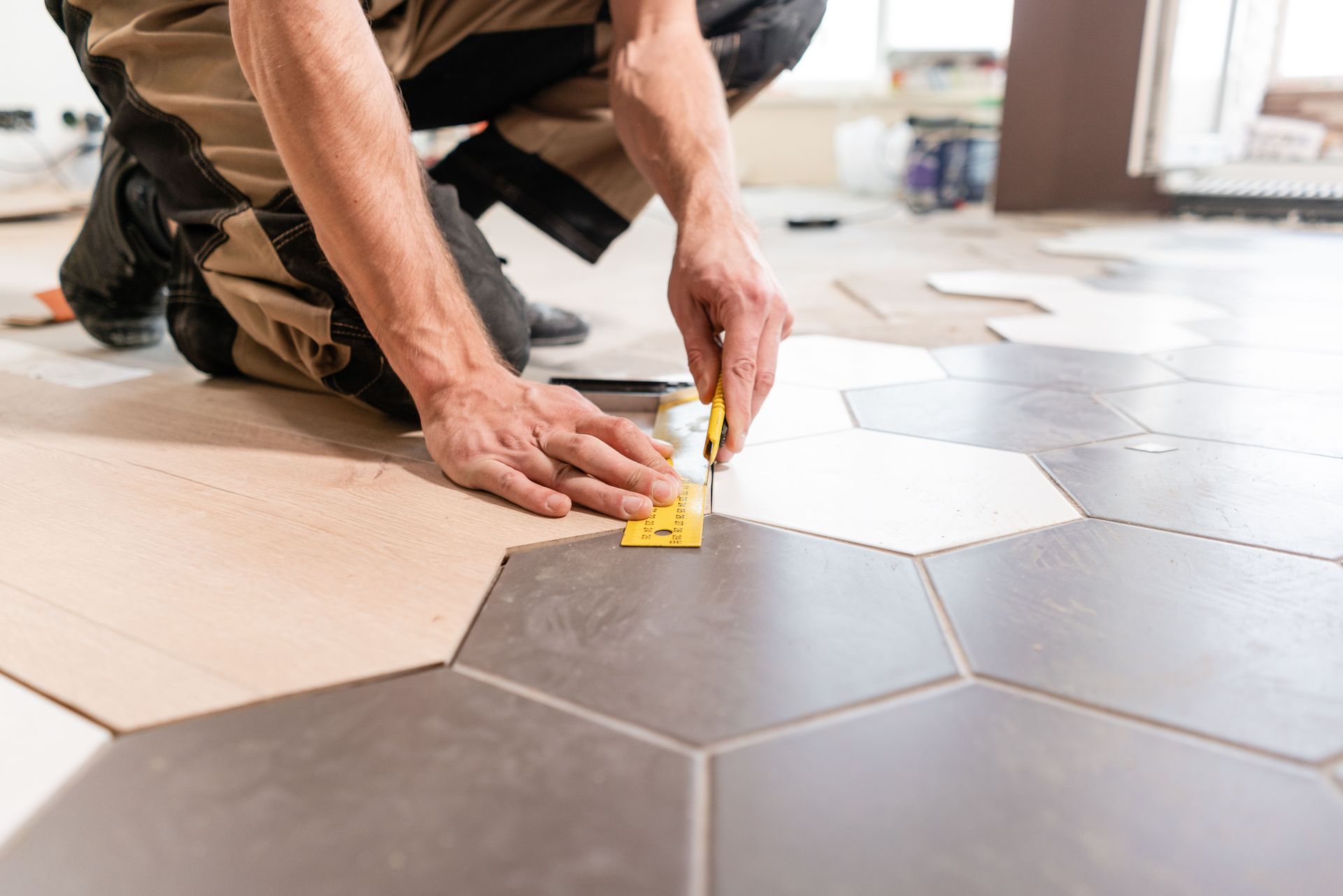
The layout phase defines the overall performance of a patio. Accurate measurements, proper slope calculations, and precise alignment all contribute to structural success.
A skilled masonry company applies technical accuracy during layout to ensure water runoff is controlled and surface leveling is consistent. This reduces long-term maintenance needs and preserves usability even after years of exposure to seasonal weather changes. Proper layout also ensures that expansion and contraction forces are evenly distributed across the surface.
Jointing Systems and Structural Flexibility
Jointing materials play a critical role in allowing slight movement while maintaining stability. Without proper jointing, patios are more susceptible to cracking under temperature changes and soil shifts.
Experienced installers select jointing methods based on material type and environmental exposure. This ensures the patio can adapt naturally without structural failure, preserving both safety and surface integrity. Joint integrity also helps prevent weed intrusion, which can otherwise destabilize paver alignment over time.
Attention to Detail in Finishing Work
Stone finishing work is often what separates average installations from long-lasting ones. Clean edges, uniform spacing, and properly sealed surfaces all contribute to durability.
A professional masonry company treats finishing as a structural necessity rather than a cosmetic step. Proper sealing and alignment reduce water infiltration and extend the lifespan of the entire installation. In high-use outdoor environments, this attention to detail also reduces long-term repair frequency. It also ensures the patio maintains a consistent appearance as it ages.
A patio is only as strong as the expertise behind its construction. From foundational preparation to final finishing details, every stage influences how well the structure performs over time. Poor workmanship may not be immediately visible, but it inevitably leads to instability, maintenance issues, and reduced lifespan.
The increasing presence of patios in residential construction reflects their importance in modern living spaces. With more than half of new single-family homes including patios in recent years, the demand for durable, well-engineered outdoor structures continues to grow. This makes the role of a qualified masonry company even more significant, as proper installation directly determines long-term performance.
When craftsmanship, planning, and material selection are aligned, a patio becomes a lasting extension of the home rather than a recurring maintenance concern. In that sense, investing in expertise is ultimately an investment in longevity, safety, and sustained property value. Over time, that decision often proves to be the defining factor between a patio that simply exists and one that consistently performs as intended. For more expert information on patios and masonry services, reach out to Complete Paving & Masonry!