November 25, 2026
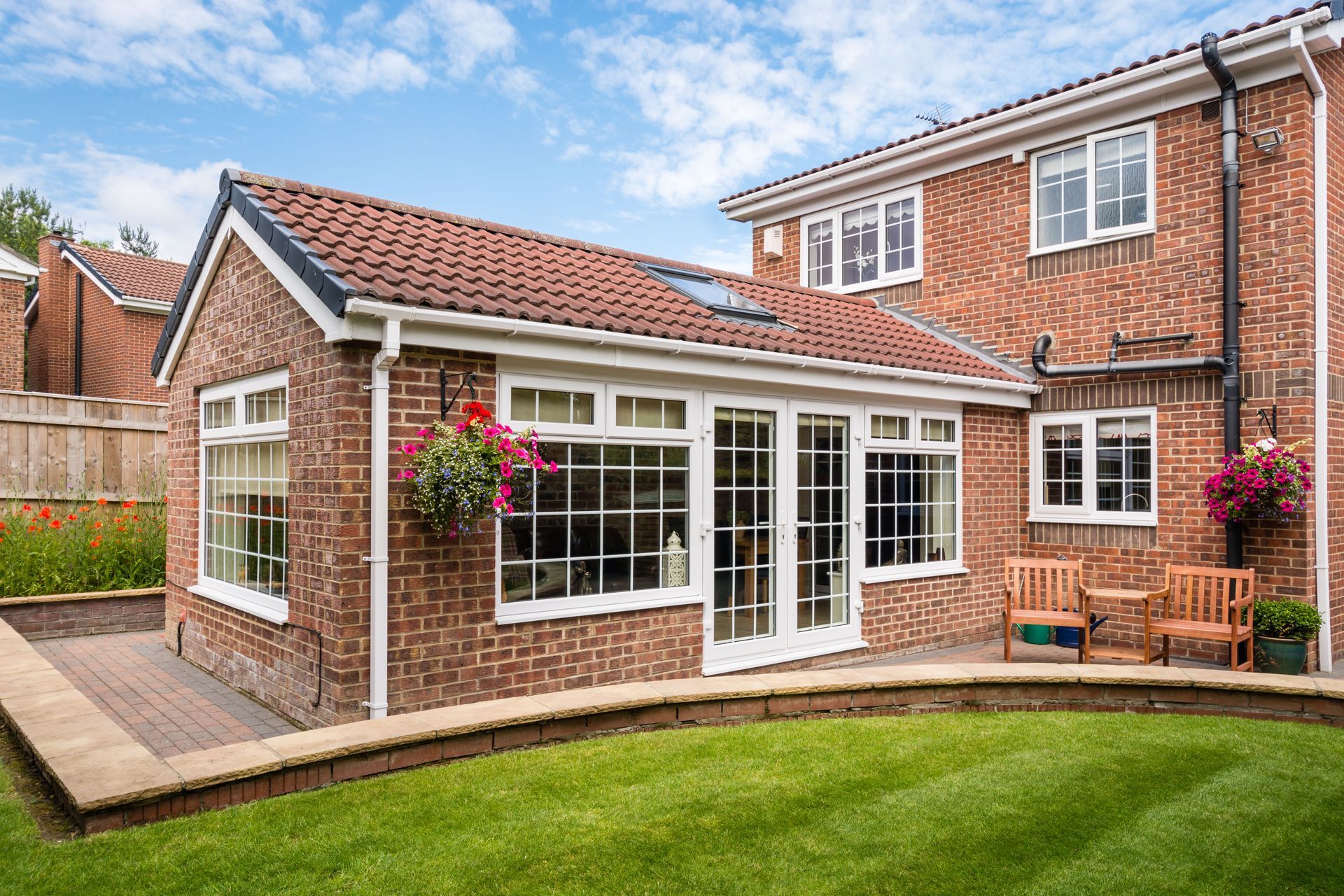
A patio can become an important extension of a home, providing space for dining, entertaining, and relaxing outdoors. Ground conditions, drainage, layout, material selection, and construction techniques all influence how the finished surface performs. Hiring patio builders with relevant experience helps homeowners plan an outdoor area that suits the property and is built for regular use.
Professional patio builders begin by understanding how the space will function. A patio intended for outdoor meals may need room for a table, chairs, and clear pathways, while a gathering area may require space for seating and movement. Considering these details before construction helps create a practical design rather than an area that looks appealing but feels cramped or disconnected. These early decisions can also help coordinate construction with other planned improvements around the property.
Preparing the Site for Stable Construction
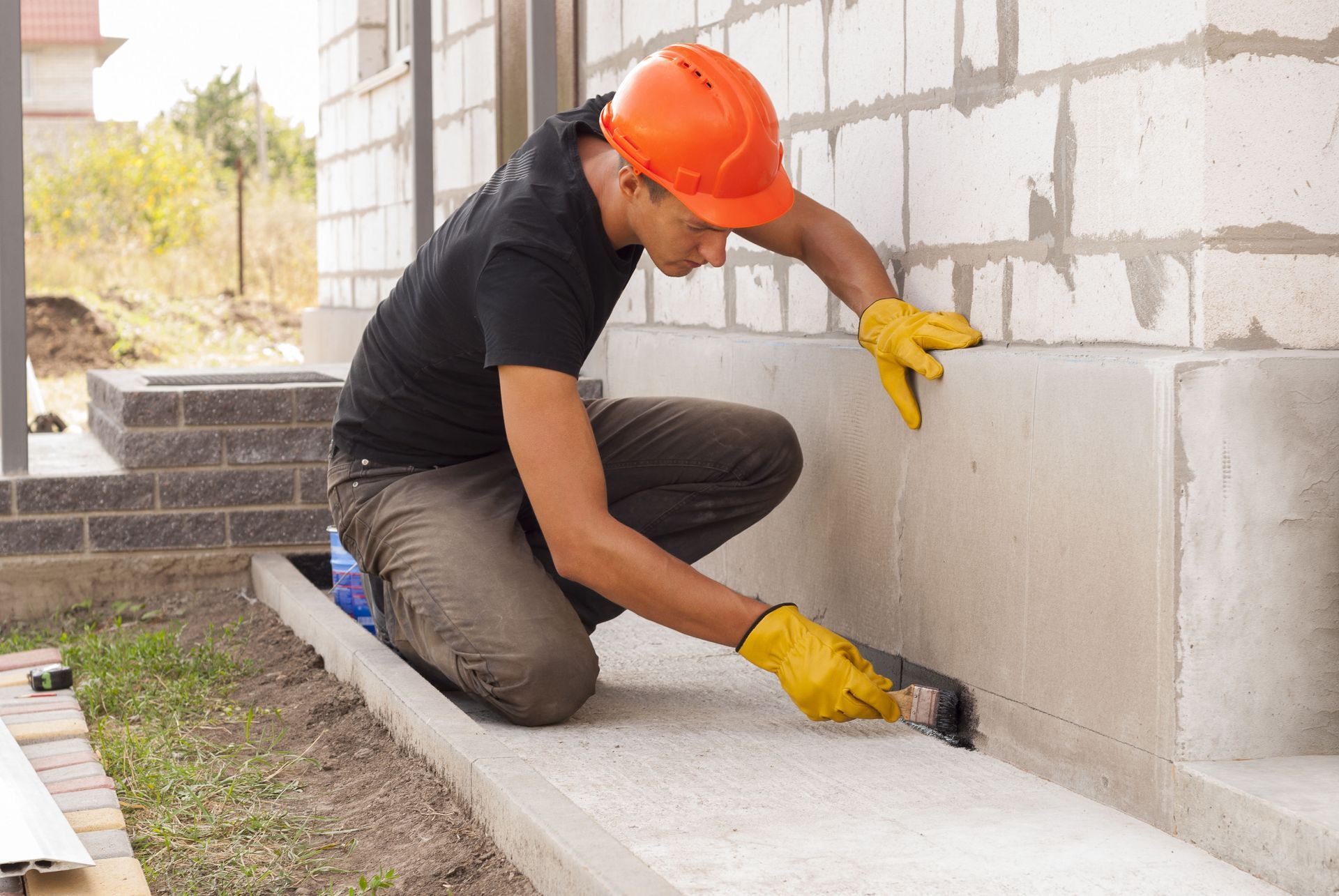
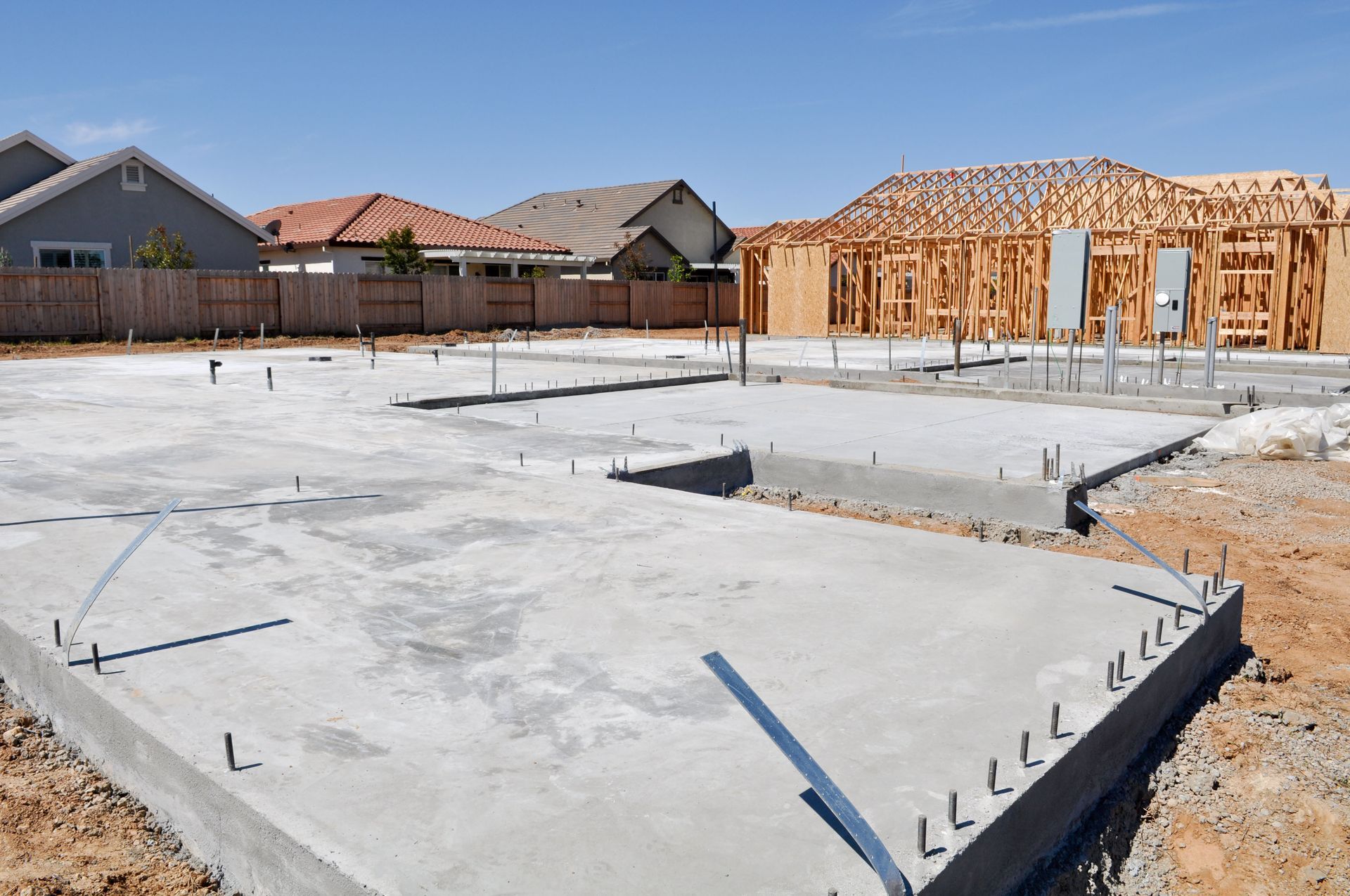
The condition of the ground beneath a patio has a direct effect on its long-term stability. Soil composition, existing slopes, roots, and areas of poor compaction can influence how the surface settles. Professional patio builders evaluate the site before installation and determine what preparation is necessary for the selected materials. This may involve excavation, grading, and establishing a properly compacted base.
Base preparation is especially important because pavers and other patio materials rely on consistent support. If the foundation is uneven or inadequately compacted, sections may shift, sink, or become uneven over time. Professionals understand how the depth and composition of the base should correspond to the project, site conditions, and expected use. Proper preparation helps distribute loads and supports a more uniform finished surface.
Site access and nearby structures also need consideration. Construction may take place close to a home's foundation, retaining walls, walkways, or existing landscaping. Careful site preparation helps limit avoidable disruption and establishes the conditions needed for the rest of the project.
Managing Drainage and Surface Slope
Water management is one of the most important parts of patio construction. Rainwater needs a suitable path away from the home and other areas where standing water could cause problems. A surface that is too flat or slopes in the wrong direction may allow water to collect near the foundation, enter low areas, or contribute to erosion. Professional patio builders plan grading and drainage with the property's existing elevations in mind.
The appropriate slope depends on the layout, materials, and surrounding conditions. Contractors consider where runoff will travel and whether nearby lawns, gardens, drains, or hardscape features can accommodate it. They also need to avoid directing water toward neighboring properties or creating new drainage issues elsewhere in the yard.
Drainage considerations can be especially important on properties with compacted soil, limited yard space, or noticeable changes in elevation. In some situations, additional drainage components may be appropriate. A professional assessment helps patio builders determine which measures fit the site instead of relying on a generic design.
Selecting Materials for Appearance and Performance
Patio materials influence the character, maintenance needs, and durability of an outdoor space. Concrete pavers, natural stone, brick, and other masonry products each offer different colors, textures, shapes, and installation requirements. The right selection should complement the home while meeting practical expectations for foot traffic and exposure to local weather. Experienced patio builders can explain the differences and help homeowners compare options.
Climate is an important part of material selection. Outdoor surfaces experience temperature changes, moisture, sunlight, and seasonal conditions that can affect their appearance and performance. Professionals can discuss product characteristics and help identify options appropriate for the property's environment.
The overall design also depends on how materials work together. Border details, patterns, steps, edging, and transitions can give a patio a finished appearance. A contractor can coordinate these elements so the new surface relates naturally to existing walkways, driveways, or landscaping.
Ensuring Accurate Installation and Consistent Finishes
Even quality materials may produce disappointing results when installation is inconsistent. Pavers need appropriate spacing, alignment, and support, while stone and masonry features require careful placement and stable construction. Variations in height can create trip hazards or interfere with furniture placement. Professional installation helps maintain consistent lines, levels, and transitions throughout the project.
Experienced crews also understand how different materials should be handled and fitted. They can account for cuts around edges, curves, steps, posts, and other obstacles without compromising the overall pattern. Edging and joint treatments are additional details that contribute to surface stability and appearance.
Construction quality affects how the patio looks immediately and how it performs after repeated use. An even surface is easier to walk across, arrange furniture on, and maintain. Professional patio builders bring established methods and suitable equipment to the work, helping reduce the likelihood of preventable installation issues.
Coordinating Masonry Features and Outdoor Design
Many patio projects include more than a level surface. Retaining walls, steps, seat walls, outdoor kitchens, fire features, and decorative borders may be part of a broader outdoor living plan. These elements need to be designed in relation to the patio's dimensions, elevation, and intended use. Professional coordination helps create a cohesive space rather than a collection of features that compete for room.
Masonry features can also introduce structural considerations. Retaining walls, for example, may need appropriate foundations and drainage provisions based on their height and the conditions behind them. Steps must connect different elevations safely, and built-in seating should be positioned to preserve comfortable circulation.
The broader construction market reflects the importance of masonry in residential projects. According to Future Market Insights, residential construction is projected to account for 54.3% of global masonry cement demand in 2026. For homeowners planning a patio, choosing materials and construction methods suited to the specific project remains essential.
Protecting the Investment Through Professional Planning
A patio is a lasting property improvement, so homeowners should consider how the project will serve them over time. A well-planned layout can support changing needs, from quiet everyday use to larger gatherings. Material selection, drainage, site preparation, and installation quality all contribute to the value of the finished space. Professional guidance helps connect these decisions before construction begins.
Clear project communication is another benefit of working with an established contractor. Homeowners should understand the proposed scope, materials, schedule, site access requirements, and how changes will be discussed. Reviewing these details in advance helps align expectations and reduces the chance of misunderstandings.
Hiring
patio builders is ultimately about more than having someone place materials in the yard. Professional construction brings together design judgment, site knowledge, equipment, and masonry experience. Careful planning and execution can make the outdoor space more functional, attractive, and suitable for years of use.
A thoughtfully constructed patio can make outdoor space more useful while complementing the appearance of a home. Complete Paving & Masonry helps homeowners plan and complete paving and masonry projects with attention to the property's layout and construction requirements. We understand that each outdoor area has different goals, site conditions, and design considerations. Our team can discuss your ideas and help identify an approach that fits your space.
Whether you are planning a simple patio or incorporating additional masonry features, professional guidance can help you make informed decisions about materials, layout, and installation. We encourage you to share your project goals and questions with our team before construction begins. Contact Complete Paving & Masonry to discuss your patio plans and learn more about our services. We look forward to helping you create an outdoor area that complements your home and supports the way you want to use it.